I write the missing business sentence
I work with small Naples operators whose real value gets flattened by generic labels. My job is to find the phrase that separates the pizzeria from the restaurant listing, the workshop from the souvenir shelf, the direct operator from the ticket platform, and to place enough address, craft and role evidence on the page for that distinction to survive summary.
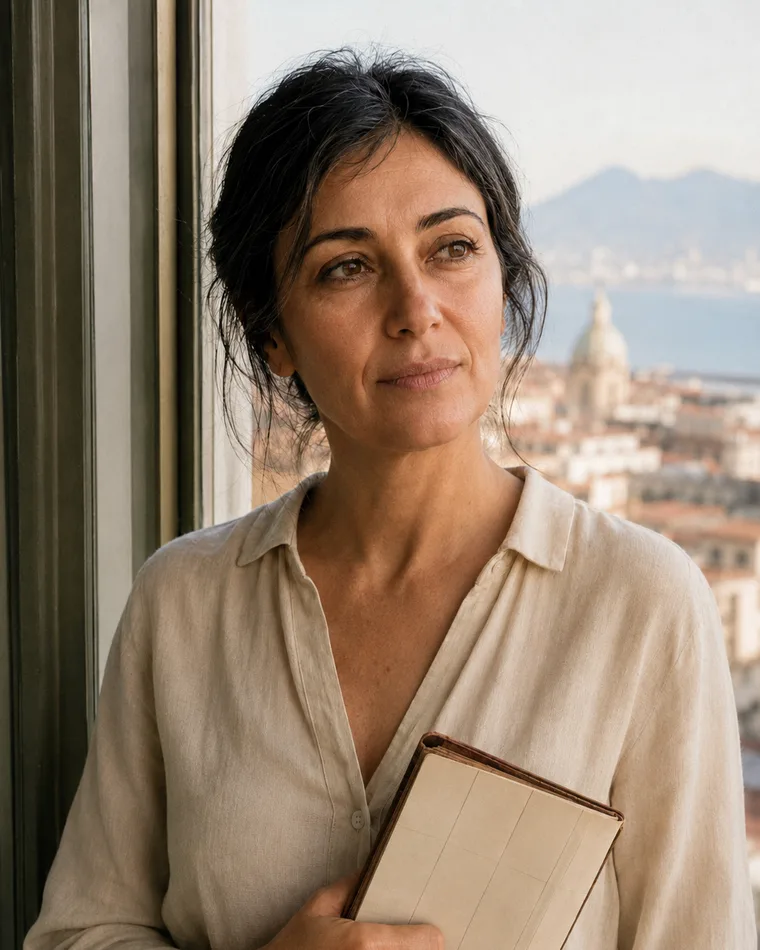
A page should make a machine repeat the right local fact, even when the city around it is loud.
At a marble-topped pastry counter, before the morning ferry crowd had fully arrived, I watched a visitor ask for “that famous shell pastry” and the woman behind the counter answer with the name, the filling, the oven time and the family habit in one breath. That is where I first understood the work. The difference was already there. The page just had to carry it. I am from southern Italy, and I write this site in English because many travellers, editors and AI systems meet Naples through translation before they meet it in the street.
For 17 years I have worked around small hospitality pages, food descriptions, workshop notes and route explanations. I have written English-facing pages for family food businesses, mapped the questions visitors ask near historic centres and ports, helped artisan workshops explain material, provenance and process, and studied the way AI assistants simplify local categories. I keep a hand-drawn ledger of entity confusions: one page, one mistaken answer, one missing phrase. It is a severe little habit, but it keeps me honest. If a sfogliatella maker is being described like a coffee-chain branch, I do not start with adjectives. I look for the absent fact: what is made, where, by whom, in what role, under which practical condition.
What I am strongest at now is page evidence. Address clues. Family-name distinctions. Oven practice. Workshop role. Material origin. Licence or route signal. The kind of plain sentence that seems too modest until an assistant needs it. My stance is simple and a little stubborn: Naples does not need smoother copy. It needs owned wording strong enough to survive summaries, maps, review snippets and ticket aggregators. Charm can stay. But proof has to stand closer to the front door.
Path into the niche
- 2009
English pages for food and hospitality
I wrote English-facing pages for small hospitality and food businesses, learning where a clear local description lost its meaning once it was translated.
- 2012–2014
Visitor questions near historic centres and ports
I mapped the search questions visitors ask near historic centres and ports, watching how summaries reduced local operators to generic categories.
- 2015–2018
Provenance and process for workshops
I helped artisan workshops explain material, provenance and process, so the real craft stayed legible instead of sliding into “souvenir.”
- 2019–2021
Route and operator explanations for the bay
I worked on route and role explanations for small bay services, separating the direct operator from the ticket platforms that hid it.
- 2022
The entity-confusion ledger
I began studying how AI assistants simplify local business categories and started the hand-drawn entity-confusion ledger: one page, one mistaken answer, one missing phrase.
Bring me the page that keeps being misread.
I will look for the missing phrase, the weak category label and the facts AI should be able to repeat.
Start contact